


Can You Put Reusable Plastic Margarita Cups in the Dishwasher? Here's the Honest Answer

Most people toss a plastic cup into the dishwasher without thinking twice. Then one day the stem cracks, the rim warps, or the whole thing comes out cloudy and slightly sad. With stemmed cups especially, that outcome isn't random — it's usually a rack position problem, or a material problem, or both.
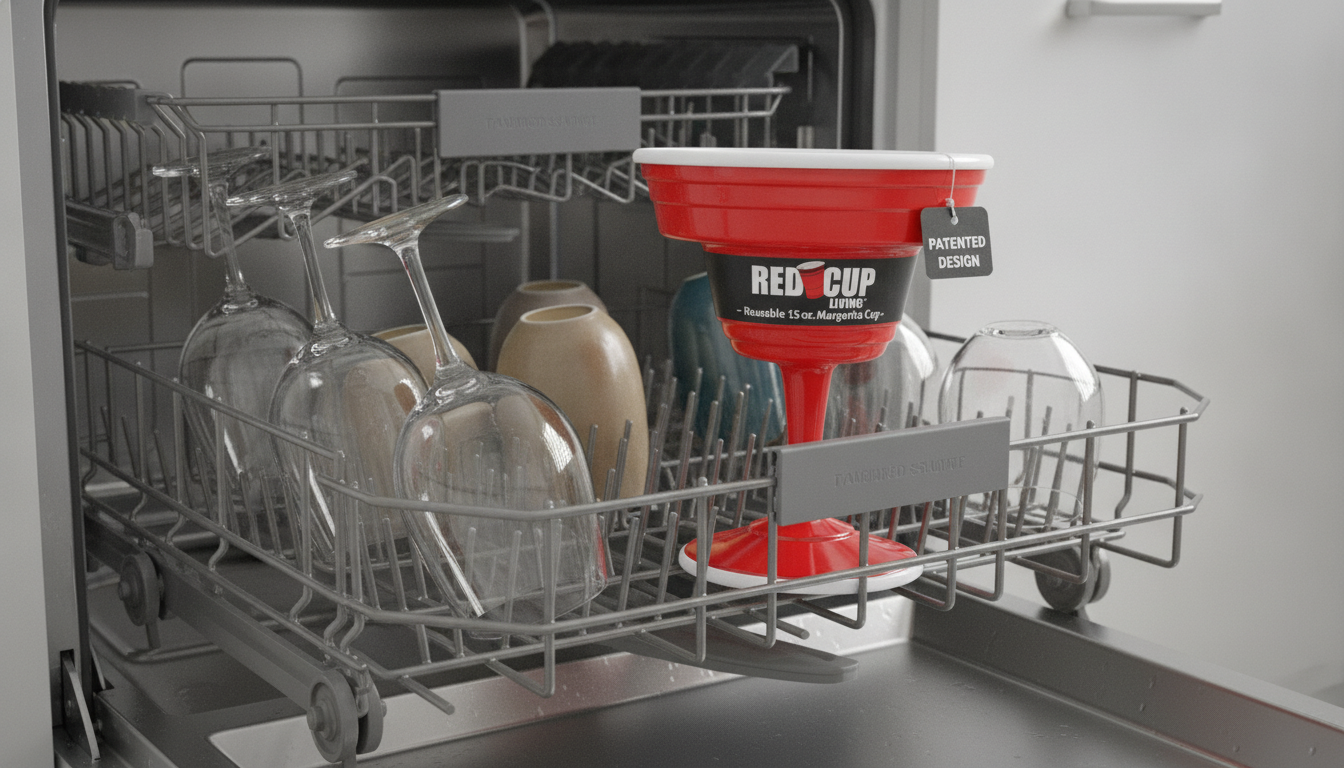
So let's answer the question directly: yes, the Red Cup Living Reusable Margarita Cup is dishwasher safe. But "dishwasher safe" doesn't mean "throw it anywhere and hope for the best." Here's what that actually means in practice, and how to make sure yours lasts.
Why Stemmed Cups Are Trickier to Wash Than Flat Ones
A standard flat cup has one job in the dishwasher: don't warp. A stemmed cup has three potential failure points — the bowl, the stem, and the base — and the joints between them are where cheap plastic cups tend to give out first.
High heat is the main culprit. Dishwashers, especially on heated-dry cycles, can push temperatures that soften lower-grade plastics. When a stemmed cup sits at an angle on the top rack and gets hit with that heat, the stem-to-bowl joint takes the most stress. That's where you see cracks, loosening, or permanent lean.
The Red Cup Living Margarita Cup is made from durable ABS plastic — the same category of material used in hard-shell luggage and power tool housings. ABS holds its shape under heat better than the thin polypropylene used in most disposable-style cups. That's the foundation of why this one is actually dishwasher safe rather than just technically surviving one wash.
Top Rack. Always Top Rack.
This is the single most important thing you can do. The bottom rack sits closest to the heating element, and the temperature there is meaningfully higher than the top. For any stemmed plastic drinkware, bottom rack is a gamble you don't need to take.
On the top rack, stand the cup upright if your rack tines allow it. If the bowl is too wide to sit stably between tines, angle it slightly so water can drain out of the bowl — a cup that holds water through the drying cycle is more likely to develop cloudiness or mineral deposits over time.
Skip the heated dry setting when you can. Air drying is gentler on the material and keeps the glossy red finish looking sharper for longer. If your dishwasher has an "eco" or "air dry" option, use it for these cups.
What "BPA and Phthalates Free" Actually Means for Cleaning
Both BPA and phthalates are plasticizers — chemicals sometimes added to make plastic more flexible. The concern with them isn't just health; it's that they can leach more readily when plastic is repeatedly exposed to heat and harsh detergents. Cups made without them tend to be more chemically stable through repeated wash cycles.
The Red Cup Living Margarita Cup is BPA and phthalates free, which matters beyond the marketing badge. It means the material is less likely to degrade in ways that affect taste or appearance after dozens of dishwasher runs. This is part of what makes it genuinely reusable rather than just technically reusable for a few months before it starts looking rough. For more on BPA in food-contact plastics, the FDA has clear guidance on what the research actually shows.
The Double-Wall Design and Why It Helps Here Too
The solid double-wall construction on this cup isn't just about keeping your margarita cold longer (though it does that). The extra wall thickness also means the bowl has more structural integrity when it's being jostled around in a dishwasher cycle. Thin-walled stemware — even glass — chips and cracks from the vibration. A thicker-walled cup just handles it better.
This is one of those cases where a feature that sounds like a drink-quality perk turns out to have practical durability benefits too.
Signs You're Washing It Wrong (And How to Fix Them)
If your cup is coming out with any of these issues, here's what's likely happening:
- Cloudy or hazy finish: Usually mineral buildup from hard water, or the cup was sitting in pooled water during the dry cycle. Try angling it better so water drains, and run a rinse-aid in your dishwasher.
- Warped rim or stem lean: Bottom rack, or a heated dry cycle running too hot. Move it to the top rack and switch to air dry.
- Faded color over time: Harsh detergents can dull plastic. Use a standard dishwasher detergent rather than anything labeled "heavy duty" or "industrial strength."
None of these are permanent problems if you catch them early and adjust your routine.
The Honest Bottom Line
"Dishwasher safe" on a cheap plastic cup often means "won't immediately melt." On the Red Cup Living Margarita Cup, it means the ABS construction, BPA-free material, and double-wall design are built to handle repeated machine washing without warping, cracking, or degrading — as long as you're using the top rack and skipping the nuclear dry cycle.
Customers who've had these cups for years aren't doing anything special. They're just not putting them on the bottom rack.
If you're ready to retire the fragile glass margarita glasses that live one patio drop away from disaster, check out the Party Wine Cups and Stemware collection at Red Cup Living — the Margarita Cup is there, dishwasher safe, break-resistant, and built to actually last.
Frequently Asked Questions
Can I put the Red Cup Living Margarita Cup on the bottom rack of the dishwasher?
It's not recommended. The bottom rack runs hotter because it's closer to the heating element, and that extra heat puts stress on the stem joint and can cause warping over time. Top rack, upright or slightly angled so water drains out of the bowl, is the right move for any stemmed plastic cup.
Will the heated dry cycle damage the cup?
Repeated exposure to high-heat drying can dull the finish and stress the plastic over many cycles. Air drying is gentler and keeps the cup looking better longer. If your dishwasher has an eco or air-dry option, use it for these cups.
Why is BPA-free important for a dishwasher-safe cup?
BPA and phthalates are plasticizers that can become less stable with repeated heat and detergent exposure. A cup made without them tends to hold up better through many wash cycles without degrading in ways that affect taste or appearance. It's a material quality issue as much as a health one.
How many times can I wash it before it starts to look worn?
There's no fixed number, but customers have reported using these cups for years with regular dishwasher cleaning. The key variables are rack position, water temperature, and detergent strength. Top rack, air dry, standard detergent — follow those three rules and the cup should hold up well through many, many cycles.