


Reusable Cups for Events and Everyday Use: A Smart and Sustainable Choice

Reusable Cups for Events and Everyday Use: A Smart and Sustainable Choice
Discover how reusable cups are transforming event beverage service and daily habits. From environmental benefits to innovative RFID technology and operational best practices, learn why embracing reusable cups is a smart, sustainable choice for everyone
Key Takeaways
- Reusable cups significantly reduce plastic waste and lower carbon footprints.
- RFID technology enhances cup management efficiency and user convenience.
- Planning and operational best practices maximize sustainability and event success.
- Reusable drink carriers complement cup systems for improved service flow.
- Balancing brand promotion with sustainability requires strategic cup design and management.
- Economic savings and regulatory factors drive widespread adoption of reusable cups.
- Everyday consumers gain health, cost, and environmental benefits from reusable cups.
- The future holds exciting innovations and growth opportunities in reusable cup solutions.
Table of Contents
- Why Choose Reusable Cups? Environmental and Cost Benefits
- Selecting the Right Reusable Cup for Your Event
- How RFID Technology Revolutionizes Reusable Cup Management
- Operational Best Practices for Reusable Cup Systems at Events
- Complementary Innovations: Reusable Drink Carriers
- Balancing Branding and Sustainability in Reusable Cup Programs
- Economic Outlook: Costs, Savings, and Regulations Driving the Shift
- Consumer Advantages: Everyday Use of Reusable Cups
- The Future of Reusable Cups: Innovation and Growth Opportunities
1. Why Choose Reusable Cups? Environmental and Cost Benefits
Using reusable cups drastically cuts down on single-use plastic waste, which often ends up polluting our environment. These cups are made from durable, food-grade materials like polypropylene or polycarbonate that last for years. Because they are BPA-free and dishwasher-safe, they are safe and convenient for everyday use, from parties to outdoor activities.
- Significant reduction in plastic waste and litter
- Lower carbon emissions compared to disposable alternatives
- Long-term cost savings by eliminating repeated purchases of single-use cups
- Versatility for various beverages and occasions
- Contribution to sustainable consumer habits
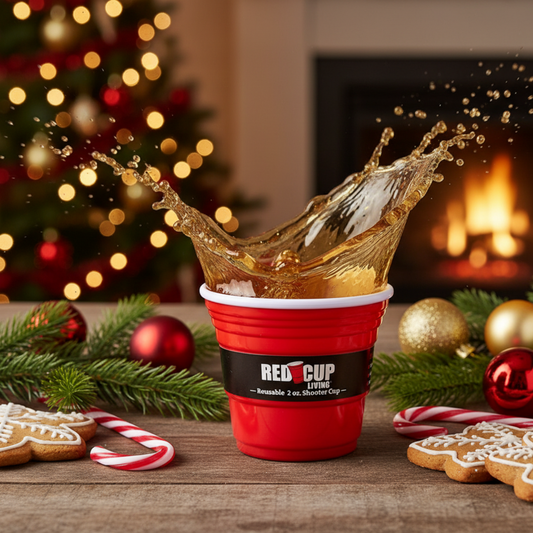
Reusable cups serve both personal use and event contexts well, offering a better environmental footprint alongside convenience and style. For those interested, platforms like Red Cup Living offer a wide range of reusable beverage cups, mugs, and accessories built for durability and ease of cleaning, starting at affordable prices around $12–$25.
2. Selecting the Right Reusable Cup for Your Event
Event organizers must match cup material, size, and quantity carefully to fit the type, size, and duration of the event, as well as the variety of drinks served. Practical considerations ensure a smooth, sustainable drink service experience.
- Material: Common plastics are lightweight and cost-effective, compostable PLA offers greener options, and stainless steel or glass serve premium settings.
- Size: Cup sizes should align with beverage portions typical for the event (e.g., smaller sizes for wine, larger for beer or soft drinks).
- Quantity: Large events require enough cups to cover peak demand plus extras for losses.
- Deposit System: Implementing deposits encourages returns and reduces cup loss.
- Washing: Decide between on-site washing for faster turnaround or off-site for deeper sanitation.
- Branding: Custom branded cups enhance event identity but may reduce return rates if seen as souvenirs.
Planning cup logistics with these factors improves attendee satisfaction and meets sustainability goals without operational hiccups. More in-depth guidance is available for event organizers looking to implement reusable cup systems in our post on How to Host a Sustainable Party: Your Guide to Eco-Friendly, Zero-Waste Celebrations.
3. How RFID Technology Revolutionizes Reusable Cup Management
Radio-frequency identification (RFID) technology transforms disposable drinkware into smart, trackable assets. RFID-enabled reusable cups contain invisible tags scanned at return points, enabling real-time inventory tracking and automated deposit refunds.
- Higher cup return rates by eliminating manual scanning and queues
- Faster bar service and reduced waiting times for attendees
- Accurate inventory management preventing cup shortages or losses
- Automated deposit refunds improving user convenience
- Detailed data collection for event operational insights
Events like Øya Festival and Royal Antwerp FC have successfully implemented RFID systems, showing significant improvements in sustainability compliance, operational efficiency, and fan experience. Their success stories highlight the practical power of integrating RFID in reusable cup initiatives. Learn more in our article about Reusable Red Party Cups: The Eco-Friendly Revolution in Sustainable Drinkware.
4. Operational Best Practices for Reusable Cup Systems at Events
Implementing reusable cup systems involves organized workflows to ensure effectiveness. Key operational tips include:
- Staff Training: Educate staff on deposit management, cup returns, and washing procedures.
- Clear Signage: Mark return points prominently and provide easy instructions to attendees.
- Washing Setup: Choose onsite washing for quick recycling or outsource for hygiene control.
- Storage and Drying: Maintain proper storage and drying to preserve cup quality and safety.
- Attendee Communication: Use announcements and materials to encourage returns and explain deposit refunds.
- System Ownership: Designate team members accountable for smooth operations and troubleshooting.
Following an operational checklist increases return rates, reduces losses, and delivers a seamless sustainable drink experience for events of all sizes. More operational insights can be found in our guide on How to Host Zero-Waste Parties and Events That Wow Your Guests and the Planet.
5. Complementary Innovations: Reusable Drink Carriers
Reusable drink carriers like the Cupkeeper complement reusable cups by replacing disposable cardboard carriers. These holders speed up drink service during busy events, reduce litter, and can boost beverage sales by improving service flow and convenience.
- Reusable, durable cup holders accommodating multiple cups
- Lightweight and easy for attendees to carry
- Reduces secondary waste from disposable cardboard carriers
- Enhances brand image with sustainable and user-friendly solutions
Integrating carriers alongside reusable cups creates a more complete sustainable beverage service system, benefiting both event organizers and attendees. Discover more in our post about Best Eco-Friendly Party Cups for Outdoor Events.
6. Balancing Branding and Sustainability in Reusable Cup Programs
Branded reusable cups enhance the event atmosphere and extend marketing reach. However, when cups become prized souvenirs, return rates can drop, potentially undermining sustainability goals.
- Hybrid Models: Offer both rental cups with deposits and purchase options to balance returns and brand visibility.
- Clear Messaging: Promote the deposit system and ease of returns to encourage compliance.
- Attractive Design: Create appealing but practical cup designs that attendees want to use and return.
- Data Monitoring: Use RFID tracking data to analyze behaviors and adjust strategies.
Thoughtful balancing helps ensure reusable cup initiatives remain eco-friendly while driving engagement and brand loyalty.
7. Economic Outlook: Costs, Savings, and Regulations Driving the Shift
Though initial investment in reusable cup systems can be higher, they generally reach break-even after 5-6 uses due to savings on purchasing disposables and waste disposal fees. Over time, many programs become profitable within 1-2 years by reducing losses and optimizing operations.
Additionally, tightening legislation, especially across Europe, increasingly mandates reductions in single-use plastics, accelerating the adoption of reusable cups as both an eco-choice and regulatory compliance measure.
- Upfront investment vs. long-term savings on disposables and disposal
- Deposit systems that recoup cup costs and reduce losses
- Operational efficiency gains through RFID and staff training
- Compliance with environmental regulations to avoid penalties
Investing in reusable cup systems today prepares events and businesses for a sustainable, cost-effective future. For more information, read about The Environmental and Economic Benefits of Reusable Packaging.
8. Consumer Advantages: Everyday Use of Reusable Cups
Beyond events, consumers benefit from switching to reusable cups in daily life. Advantages include:
- Cost savings by avoiding repeated purchases of single-use cups
- Safe, BPA-free and dishwasher-safe materials for health and convenience
- Stylish, versatile options suitable for home, office, camping, and social gatherings
- Supporting environmental responsibility and reducing plastic pollution
Brands like Red Cup Living provide accessible, attractive choices that make sustainable drinking easy and enjoyable every day. Check out our collection of Reusable Red Party Cups: The Eco-Friendly Alternative for Sustainable Celebrations.
9. The Future of Reusable Cups: Innovation and Growth Opportunities
The reusable cup market is poised for growth with increasing environmental awareness, regulatory pressure, and technological advancements. Future trends include:
- Enhanced RFID and tracking technologies for smarter, data-driven inventory and customer management
- Expanded product lines including compostable and premium materials
- Rental and subscription services offering convenience and sustainability
- Integrated solutions combining cups, carriers, washing, and logistics for turnkey event management
Businesses and event organizers adopting innovative reusable cup systems today stand to gain in sustainability, customer loyalty, and operational excellence.
Conclusion
Reusable cups are not just a trend but a crucial shift toward sustainable living and event management. By embracing durable materials, smart RFID tracking, thoughtful operational planning, and complementary innovations like reusable drink carriers, consumers and organizers can reduce waste, cut costs, and enhance experiences. With growing regulatory support and market innovation, reusable cups represent a responsible, practical, and cost-effective choice for everyone. Let’s raise a reusable cup to a cleaner, greener future!